




The Right House in the Wrong Location Can Still Be the Wrong Purchase
When you're buying a home in the Dallas-Fort Worth area, it's easy to focus almost entirely on the house.
How many bedrooms?
How big is the kitchen?
Is there a three-car garage?
Does the floor plan work?
Is the backyard big enough?
Those questions matter. But there is another question that can have a much bigger impact on your experience as a homeowner:
Is this the right location for you?
DFW is a massive and rapidly changing metropolitan area. Two homes with similar prices can offer completely different lifestyles, tax structures, school districts, commute times and long-term resale prospects.
That's why I tell buyers:
Don't just buy the right house. Buy the right location.
Location Is More Than a ZIP Code
When people hear "location," they often think about the city.
Dallas.
Midlothian.
Plano.
Frisco.
Mansfield.
Cedar Hill.
But choosing a location involves much more than choosing a city.
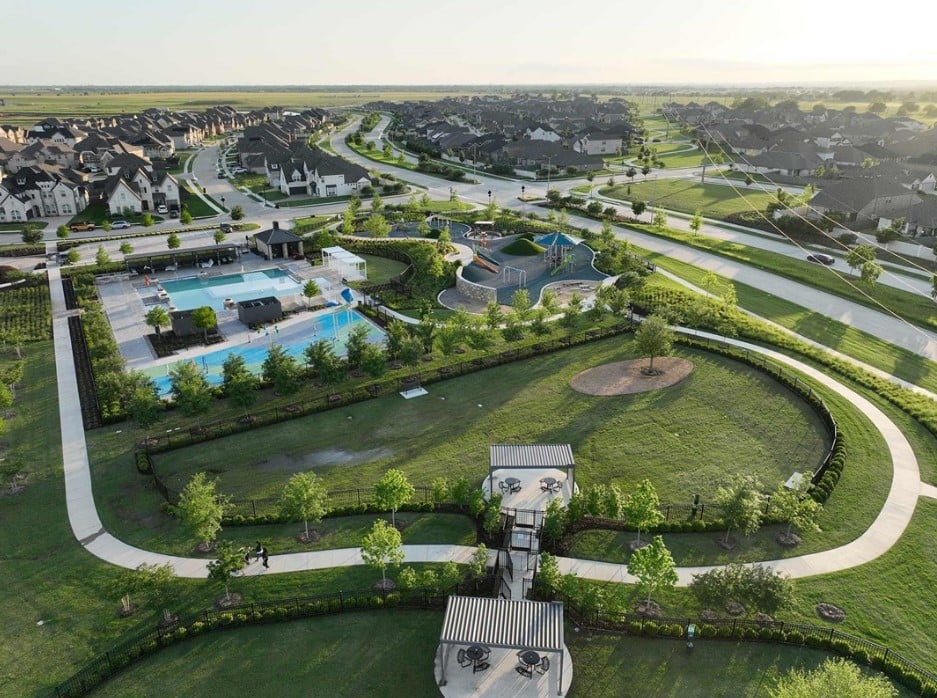
You should consider the specific neighborhood, school district, county, commute, property taxes, HOA, potential special taxing districts, nearby development and the types of homes that are likely to compete with yours when you eventually sell.
That's especially important in DFW because the metroplex isn't one uniform real estate market.
A home in one neighborhood may receive multiple offers while another home a few miles away sits on the market for months.
School Districts Can Affect More Than Your Kids' Education
For buyers with children, school districts are obviously an important consideration.
But even buyers without children should understand how school districts can affect housing demand.
A desirable school district can influence who wants to live in a neighborhood and, consequently, the pool of potential buyers when you eventually sell.
That doesn't mean there is one universally "best" school district.
The right school district depends on your family's priorities, budget and plans.
Property Taxes Can Change the Math
One of the biggest mistakes I see buyers make is looking only at the purchase price.
A $400,000 home isn't necessarily more affordable than a $410,000 home.
Why?
Because your monthly housing expense is affected by more than principal and interest.
Property taxes can vary substantially depending on the county, city, school district and other taxing entities that apply to the property. Texas also has special taxing districts in some areas.
The Texas Comptroller maintains property-tax information by taxing unit, and homeowners may qualify for a residence homestead exemption that can reduce their taxable value.
So when you're comparing two homes, don't just compare the list price.
Compare the total cost of ownership.
What Is Coming to the Area?
DFW is continuing to grow, and that growth matters when you're choosing where to buy.
Major corporate investment, infrastructure improvements, new retail, entertainment, schools and residential development can all change the character of an area over time.
The recent opening of the New York Stock Exchange's Dallas regional headquarters is another example of the increasing attention being placed on Dallas as a financial center.
That doesn't mean you should buy a house simply because a major company moved nearby.
It means you should understand what is happening around the property you're considering.
The Best Location Is Different for Every Buyer
There isn't one city or county that is right for everyone.
A buyer who works in downtown Dallas may have very different priorities than someone who works in Fort Worth.
A family may prioritize schools.
A first-time buyer may prioritize affordability.
An investor may focus on rental demand.
A retiree may care more about medical services, amenities and accessibility.
A relocating executive may prioritize commute time and proximity to an employer.
That's why I don't start a home search by asking, "What house do you want?"
I want to understand what you're trying to accomplish.
Then we can determine which locations make the most sense.
Before You Buy the House, Buy the Location
The house is the part you see when you walk through the front door.
The location is everything around it that you can't change.
You can replace countertops.
Paint the walls.
Change light fixtures.
Remodel a bathroom.
You can't move the house to a different school district, county or neighborhood.
If you're considering buying a home in DFW, start the conversation early. Even if you're months away from making a purchase, a knowledgeable real estate advisor can help you identify the locations and factors that deserve your attention.
At Ember Realty, our goal isn't simply to help you find a house.
It's to help you make a smart real estate decision.
Check out this article next